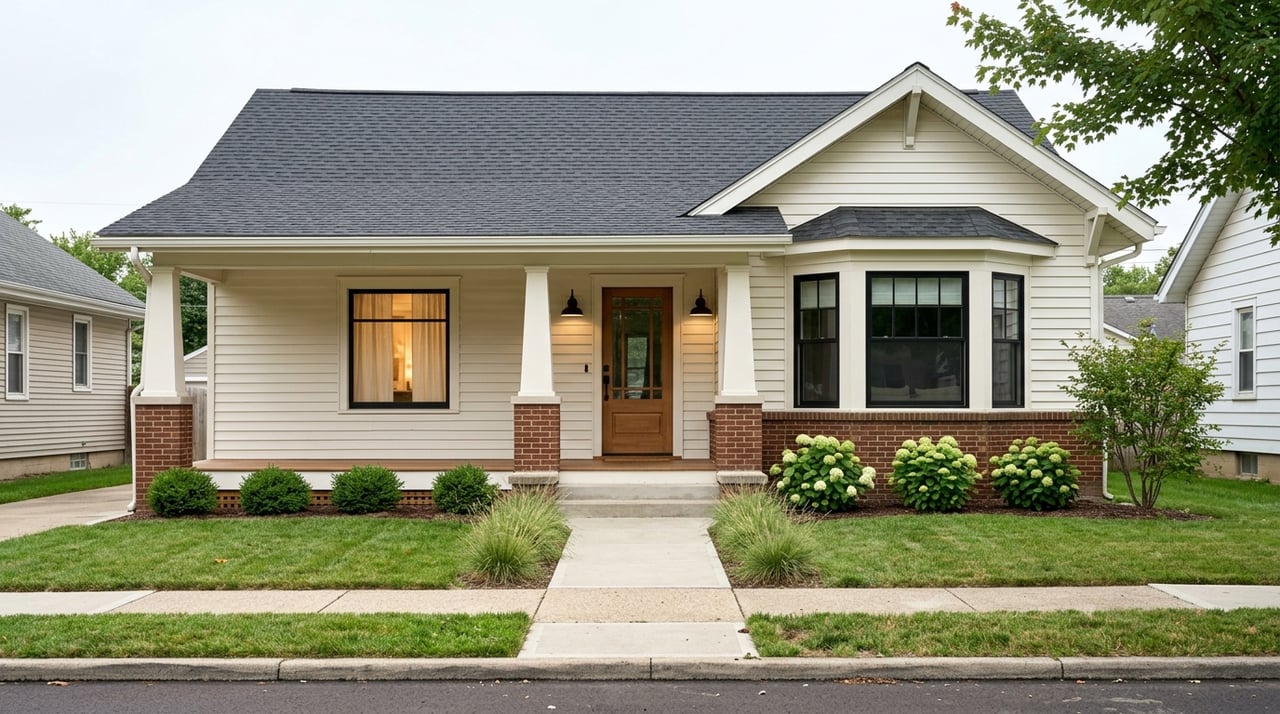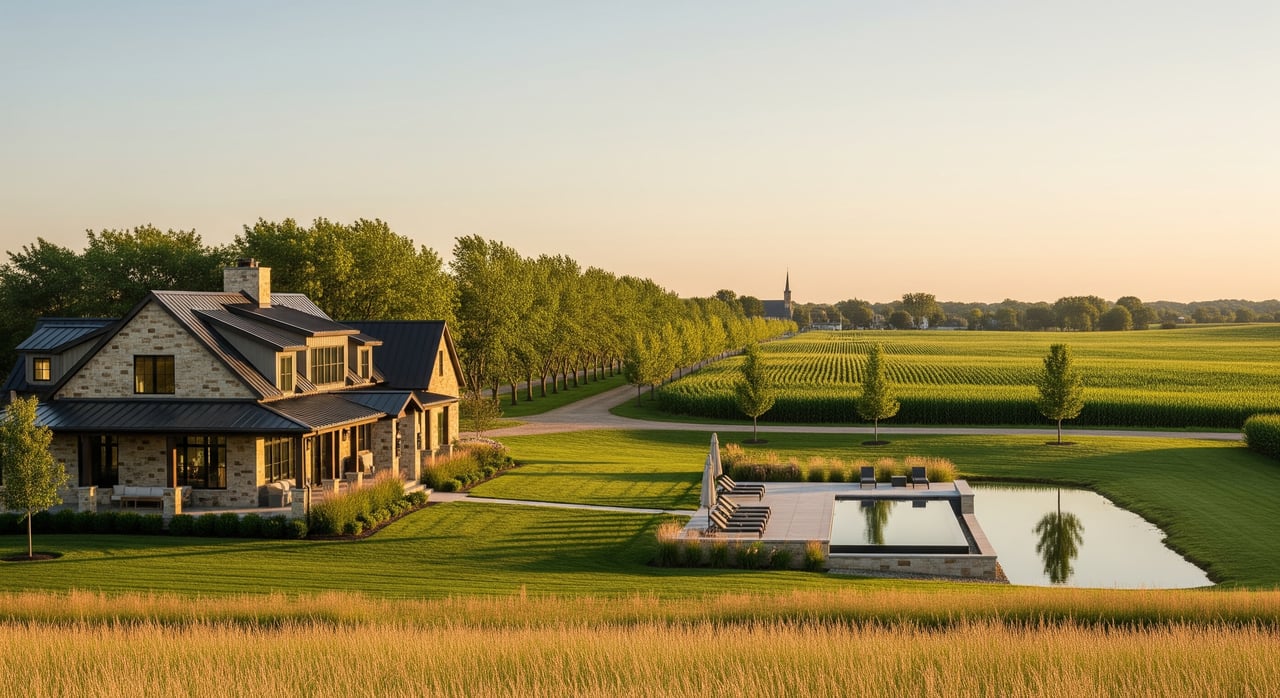
Thinking about life on a few acres outside Colfax or the convenience of an in-town home? You’re not alone. Many buyers look to Colfax for a quieter lifestyle while staying within reach of Des Moines jobs and amenities. In this guide, you’ll learn the key differences in utilities, services, costs, regulations, risks, and resale so you can choose with confidence. Let’s dive in.
Colfax market basics
Colfax sits in Jasper County in central Iowa, within commuting distance of the Des Moines metro. Buyers often compare in-town homes inside city limits with “acreage” properties just outside city boundaries. Acreage here usually means parcels of a few to several acres with rural-residential or agricultural zoning.
For any property, plan to check public records with the City of Colfax, Jasper County Assessor and Recorder, Jasper County Planning and Zoning, and the Colfax-Mingo Community School District to confirm details that affect your use and budget.
Utilities and services
In-town utilities
In-town homes typically connect to municipal water and sewer. You’ll likely have natural gas, curbside trash and recycling, city-maintained streets, streetlights, and sidewalks. Internet providers and speeds are usually better in town, but you should verify options at each address.
Acreage utilities
Acreage properties commonly rely on a private well and septic system. Heat may be propane or electric if natural gas is not available. Trash service is usually private or drop-off. You are responsible for maintaining private drives, and broadband availability can vary by location. Confirm actual internet providers and speeds for the specific parcel before you write an offer.
Emergency services and access
Fire, EMS, and response times
In-town homes usually benefit from shorter response times and access to nearby hydrants. Rural parcels rely on volunteer fire departments and rural water supply. Ambulance and EMS response may take longer. Ask which fire district and EMS provider covers a property and what mutual aid is in place.
Roads, snow, and driveways
City streets are plowed and maintained by the city. Rural roads may be maintained by the county or township, but private drives are the owner’s responsibility. Expect to manage gravel, dust control, and snow removal for longer driveways. If access crosses another property, verify easements and maintenance agreements recorded with the county.
Privacy and land use
Space and neighbors
Acreage gives you privacy, room for outbuildings, gardens, and outdoor hobbies. You may also be close to active farming. That can mean seasonal odors, machinery noise, and pesticide spraying. Iowa’s agricultural protections can limit nuisance claims, so it’s smart to visit at different times of year and speak with neighbors about typical farm activity.
In town, lots are smaller with more neighbors and closer services. You’ll be subject to municipal ordinances on property use and nuisance standards, which can create predictability around how nearby properties are managed.
Zoning, permits, and annexation
County vs. city rules
Outside city limits, Jasper County zoning controls permitted uses, minimum lot sizes, and setbacks. Inside city limits, Colfax’s municipal code applies. If you plan to add a barn, accessory structure, or an addition, you’ll need permits from the county or city, depending on location.
Future annexation
Parcels near the city boundary may be subject to future annexation, which can change allowed uses, taxes, and utility access. Review Colfax planning documents and annexation maps to understand potential changes over time.
Taxes and assessments
What to expect
In-town homes pay city taxes and receive city services. Acreage often has lower municipal taxes, but tax treatment depends on how the land is used. Agricultural parcels and rural residential parcels can be assessed differently. If cropland is converted to a homesite, the classification and tax bill can change. Also ask about special assessments that may apply in rural areas, such as drainage or road district costs.
Financing differences
Loan programs and requirements
Conventional loans can finance homes on acreage, but lenders and appraisers may treat large tracts differently. You might need a survey, an appraisal that separates the home from land value, or environmental checks depending on the property’s history.
USDA Rural Development programs may be available for qualifying rural addresses and incomes. FHA and VA loans can work on acreage if access, utilities, and marketability meet program standards. If you intend to operate a farm, ask about specialized farm lending options. Partner early with a lender who regularly finances rural Iowa properties so you understand eligibility, documentation, and timing.
Environmental and site risks
Wells and septic
On acreage, plan to test well water for bacteria and nitrates. Ask for the well’s age and flow rate. For septic, request service and pumping history, a professional inspection, and a suitability test if you plan to expand the home.
Floodplains and drainage
Check FEMA flood maps to see if a property is in a mapped floodplain. Iowa parcels can include wetlands or regulated waterways that affect building plans. Understand local drainage patterns, especially if tile systems are present on or near the acreage.
Soils and tile lines
Soil type affects septic design, foundation needs, and land use. Jasper County fields often include subsurface tile drainage. Damaging a tile line during excavation can create water problems and liability. Confirm the presence and route of tile with county records, neighbors, or a tile contractor before you dig.
Agricultural impacts
Expect seasonal fieldwork, dust, and farm traffic near many rural properties. If you are sensitive to these impacts, visit at different times of year and ask nearby operators about typical schedules for spraying or harvest.
Environmental history
If a property once housed fuel storage, livestock confinement, or chemical mixing, consider an environmental assessment or targeted testing. Sellers must disclose known issues, but due diligence gives you added protection.
Costs, maintenance, and lifestyle
Upfront and recurring costs
- Acreage: well and septic upkeep, potential septic replacement, propane deliveries, rural electric service charges, private road and driveway maintenance, fencing, outbuilding repairs, and possibly higher insurance.
- In town: combined municipal utility bills, routine city assessments, smaller yard maintenance, and in some cases HOA fees.
Daily maintenance and equipment
Acreage owners often handle large-lot mowing, tree work, snow removal for long drives, and boundary fence care. You may need equipment or reliable contractors. In town, you’ll find more vendor options and less land to manage, but less flexibility in how you use the property.
Resale and marketability
In-town homes usually draw a broader buyer pool and can sell faster. Acreage appeals to a more specific audience and can be seasonal. Strong resale features for acreage include good road access, usable topography, quality soils for hobby uses, logical parcel shape, and reliable utilities.
Due-diligence checklist
Use this list to stay on track, whether you choose acreage or in-town:
- Confirm boundaries and order a survey if lines are unclear.
- Obtain the deed and review recorded easements, covenants, and rights-of-way with the Jasper County Recorder.
- Verify zoning, setbacks, and permitted uses with Jasper County Planning and Zoning for acreage or the City of Colfax for in-town.
- Review tax classification and check for special assessments with the Jasper County Assessor and Treasurer.
- Check FEMA flood maps, Iowa DNR resources, and county drainage records for floodplain and wetland concerns.
- For wells: order lab water tests for bacteria and nitrates; obtain well construction details and flow test results.
- For septic: get inspection and pumping records; confirm system capacity and suitability if you plan to expand.
- Confirm utility providers, including electricity, natural gas availability, and internet providers and speeds.
- Clarify road access, easements, and who handles driveway and road maintenance and snow removal.
- Investigate tile drainage on or near the property before any excavation.
- Review environmental history and consider testing if prior intensive uses are suspected.
- Identify the fire district and EMS coverage and ask about typical response times.
- Confirm school district, sanitation service options, and the correct mailing address.
- Get pre-approval with a lender experienced in rural Iowa financing and confirm program fit for the acreage size and improvements.
- Obtain insurance quotes, including flood insurance if the property is in or near a flood risk area.
Which option fits you?
Choose acreage if you value privacy, space for outbuildings or animals, and are comfortable with extra maintenance and rural systems. Choose in-town if you want convenience, shorter response times, and municipal services with fewer unknowns. Either way, a clear plan and local guidance will help you avoid surprises and protect your investment.
If you’re ready to compare specific Colfax addresses, tour acreages, or run numbers on utilities and taxes, we’re here to help. Start the conversation with Stephanie Dart for local guidance, vendor connections, and a smooth path from search to close.
FAQs
Can I finance a Colfax home on 10 or more acres?
- Yes, but requirements vary by lender and loan type; work with a lender experienced in rural Iowa to confirm appraisal, survey, and program eligibility.
How do I know if a private well is safe to drink from near Colfax?
- Order certified lab tests for bacteria and nitrates and request the well’s age and flow rate; review results with a professional before closing.
Are there limits on barns or accessory buildings outside Colfax?
- Zoning and setback rules apply; verify permitted uses and permit steps with Jasper County Planning and Zoning before you design or build.
Could land near Colfax be annexed into the city later?
- It can be if it is adjacent to city boundaries; check Colfax planning and annexation maps to understand potential changes to services and taxes.
Do I need flood insurance for an acreage around Colfax?
- If your lender finds the home in a FEMA floodplain, insurance is typically required; consider coverage even outside mapped areas if drainage risks exist.