Dreaming of more space without stretching your budget, or craving a shorter commute and a livelier neighborhood vibe? If you are comparing Des Moines with nearby suburbs like Ankeny, Norwalk, Altoona, Baxter, and Colfax, you are not alone. The right choice comes down to how each location treats your housing dollar across purchase price, taxes, and ongoing costs. In this guide, you will learn how to compare price-per-square-foot, translate property taxes into a simple rate you can use, and factor in insurance, utilities, HOAs, commute, and schools. Let’s dive in.
How your dollar stretches across the metro
Choosing between the city and the suburbs is really a choice about tradeoffs. Des Moines often offers a lower entry price for smaller in-town homes and condos, especially in older neighborhoods close to downtown. Suburbs like Ankeny, Norwalk, and Altoona usually deliver newer builds, larger floor plans, and bigger yards. Smaller towns such as Baxter and Colfax can deliver the lowest prices and the most elbow room, but with longer commutes and fewer transit options.
Price and price-per-square-foot
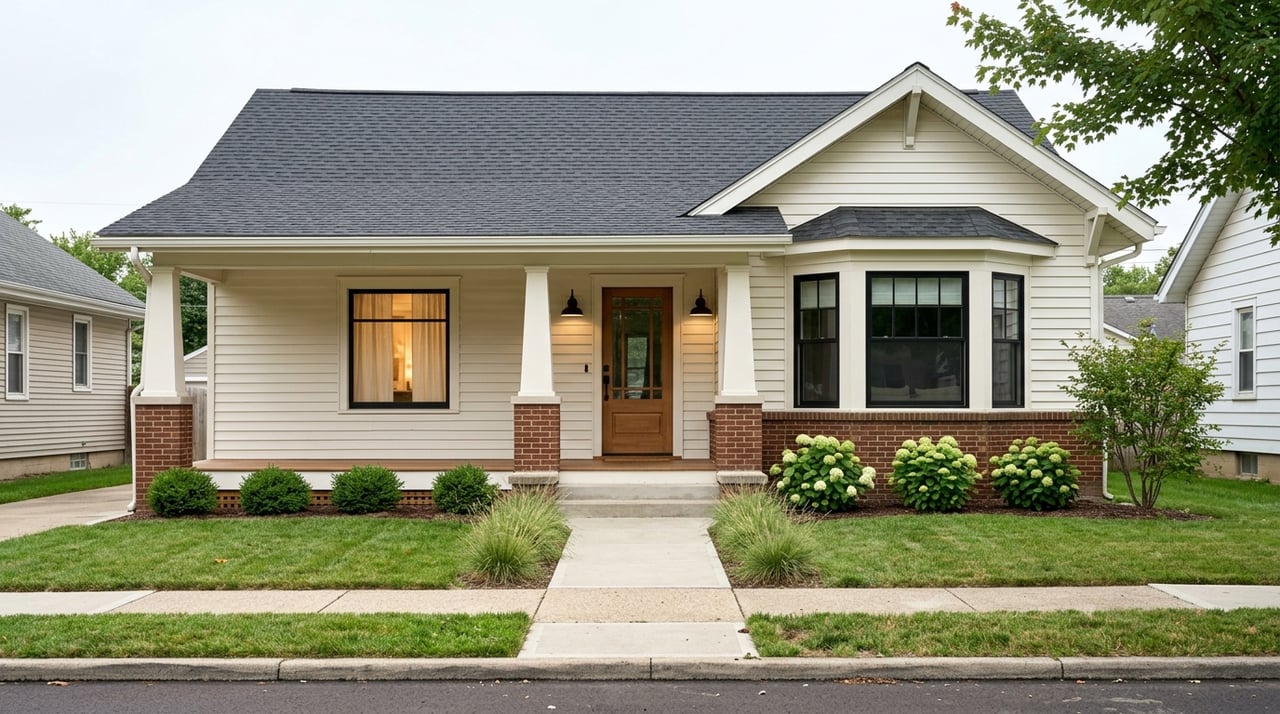
- In-town Des Moines commonly includes older bungalows, mid-century homes, duplexes, and condos. You may see lower total prices for smaller homes, but price-per-square-foot can rise in walkable, central neighborhoods.
- In Ankeny, Norwalk, and Altoona, a higher share of new construction means larger average square footage and deeper garages. Total prices can be higher, but you often get more interior space per dollar.
- Baxter and Colfax tend to offer the most space for the money, including larger lots or acreage, with the tradeoff of a longer drive to job centers.
Tip: To compare “house per dollar,” compute square feet per $100,000 for each home you are considering. The higher the number, the more space you are getting for your budget.
Inventory and market speed
Market dynamics matter. Suburbs with active new subdivisions can offer more choices at a given price point. In-town neighborhoods may have fewer comparable properties and more variation by block. Watch days on market, months of supply, and the share of new construction vs resales to gauge your negotiating room. If you want a like-new home with minimal renovation, suburban new builds may be simpler to budget for than a charming older home that needs updates.
Property taxes made simple
Property taxes vary across city and school district lines. Your tax bill typically blends city or town levies, county levies, and school district levies. School district levies often explain a big share of the difference from one location to another. Exemptions and credits for qualifying owner-occupants can meaningfully reduce what you pay.
- Learn state rules and credits on the Iowa Department of Revenue site. Visit the Iowa Department of Revenue to see how assessments and exemptions work.
- Verify parcel-level assessments and bills through Polk County. Use the Polk County Assessor to view assessed values and the Polk County Treasurer to review tax bills.
The effective tax rate you can compare anywhere
Use one simple, apples-to-apples number: the effective property tax rate. It shows your tax as a percentage of a home’s price.
- Effective property tax rate (%) = (Annual property tax ÷ Home sale price) × 100
Example using placeholders:
- Assume Home A has an annual tax of $4,200 and a sale price of $280,000. Effective rate = 4,200 ÷ 280,000 = 0.015, or 1.5%.
- Assume Home B has an annual tax of $5,600 and a sale price of $350,000. Effective rate = 5,600 ÷ 350,000 = 0.016, or 1.6%.
This gives you a clean comparison when homes are priced differently. If exact annual tax data is not listed, you can estimate using local mill rates and the assessed value. Your agent can help you confirm figures before you write an offer.
A quick note on boundaries
City and school district lines do not always match. A suburb can include multiple school districts, each with different levies. Always look up the specific parcel for taxes and double-check the assigned school district before you finalize your budget.
Ongoing costs beyond the mortgage
Your monthly payment includes more than principal and interest. Plan for these recurring ownership costs and you will avoid surprises.
- Insurance: Premiums vary by replacement cost, age, materials, and location. Older homes may cost more to insure. If the property sits in a floodplain, lenders often require flood insurance. Check the FEMA Flood Map Service Center to see if a property falls in a mapped flood zone.
- HOA fees: Common in newer subdivisions and townhome or condo communities. Fees depend on amenities and services. Ask what they cover and whether increases are planned.
- Utilities and energy: Larger homes can cost more to heat and cool, but newer construction can be more efficient. Older in-town homes may need upgrades for peak efficiency.
- Routine maintenance: Budget for upkeep, especially for older homes. A common rule of thumb is to set aside about 1% of the home’s value per year and adjust based on age and condition.
- Commute and transportation: Factor in fuel, wear-and-tear, parking, and your time. Des Moines living can reduce commute and parking costs if you work downtown. Suburbs usually mean more driving. If transit matters to you, check route coverage and frequency with the Des Moines Area Regional Transit Authority.
Build your monthly cost worksheet
Use this simple structure to compare two addresses side by side.
- Mortgage payment: Use your loan amount, interest rate, and term.
- Property tax: Annual tax ÷ 12.
- Homeowner’s insurance: Annual premium ÷ 12.
- HOA dues: Monthly fee for the community, if any.
- Utilities: Estimate based on home size, age, and systems.
- Maintenance reserve: 1% of home value per year ÷ 12. Adjust up for older homes or known projects.
- Commute cost: (Daily miles × cost per mile × commuting days per month) + parking.
Total Monthly Ownership Cost = All line items added together.
Space, lots, and home age
Understanding the local housing stock helps you predict costs and comfort.
- Des Moines: A wide mix of older single-family homes, duplexes, rowhouses, and condos. Many homes were built before 1960, with notable infill and new builds near downtown and in revitalizing areas. Lots tend to be smaller in historic neighborhoods.
- Ankeny, Norwalk, Altoona: Predominantly single-family detached homes with a higher share of 1990s-to-present construction. Many subdivisions feature two-story plans, three-car garages, and access to parks, trails, or ponds. Floor plans often range from about 1,800 to 3,000+ square feet.
- Baxter, Colfax: Lower density, some acreage properties, and a mix of older homes with pockets of new development. Expect bigger parcels and more room to spread out.
Schools and district factors
School district reputation is a powerful driver of demand and pricing in many suburbs. District levies also influence property taxes. For current and neutral performance data, review official report cards on the Iowa School Performance Profiles.
Altoona is largely served by the Southeast Polk Community School District, and Ankeny and Norwalk have their own districts. Boundaries can shift with growth. Verify a specific address rather than assuming based on city name. Use performance profiles for objective metrics and contact districts with zoning questions.
Commute, amenities, and lifestyle
If your daily rhythm revolves around downtown events, restaurants, or a short ride to the office, in-town Des Moines can cut drive time and parking costs. Suburbs often trade walkable nightlife for planned parks, trails, and newer retail centers. Transit coverage is strongest in the city, with limited but evolving suburban options. Confirm current route maps and commuter schedules with DART.
Quick comparison snapshots
Use these profiles to narrow your short list.
- Des Moines: Best if you value shorter commutes to downtown, diverse home types, and older character. You will often see lower entry prices for smaller homes, smaller lots, and more renovation decisions.
- Ankeny: One of the metro’s fastest-growing suburbs historically, with many newer subdivisions and larger homes. Expect more interior space per dollar versus in-town, with a higher share of new construction.
- Norwalk: Growing suburban community with newer neighborhoods and convenient access to the south and west sides of the metro. You will typically find larger lots and modern layouts.
- Altoona: Suburban feel with planned neighborhoods and access to community recreation. Many homes are newer builds within the Southeast Polk district.
- Baxter and Colfax: Small-town settings with the potential for larger lots or acreage at lower prices. Plan for a longer commute and fewer transit options.
How to compare two addresses like a pro
Follow these steps to put the numbers on your side.
- Price and space
- Note list price, square footage, bed/bath count, lot size, and year built.
- Compute price-per-square-foot and square feet per $100,000 for each home.
- Taxes
- Pull the parcel on the Polk County Assessor to see assessed value.
- Check current and prior bills on the Polk County Treasurer.
- Compute the effective tax rate so you can compare across cities and districts.
- Insurance and risk
- Ask your insurance broker for a quote on each address.
- Verify flood status at the FEMA Flood Map Service Center.
- HOA and utilities
- Confirm dues, what they cover, and any planned increases.
- Estimate utilities by home size, age, and mechanicals.
- Commute and transit
- Time your route during your typical travel window.
- Confirm transit coverage and park-and-ride options with DART.
- Schools and assignments
- Check district assignment for the parcel and review district data on the Iowa School Performance Profiles.
- Condition and maintenance
- For older homes, budget for near-term updates like roof, HVAC, windows, or sewer line. For new builds, budget for window treatments, landscaping, and potential HOA start-up fees.
Ready to find your fit?
The right answer is personal. If you want more space and a move-in-ready feel, a newer suburban home might stretch your dollar. If you prize a short commute and city energy, an in-town home could be the better value when you add in time and transportation. Either way, you deserve a clear, side-by-side view of your options.
If you would like a custom comparison of Des Moines versus the suburbs you are considering, along with a monthly cost worksheet and on-the-ground insights, reach out to Stephanie Dart. We will help you evaluate price, taxes, commute, and schools so you can buy with confidence.
FAQs
What is the easiest way to compare property taxes across Des Moines and the suburbs?
- Use the effective property tax rate. Divide the annual property tax by the home’s sale price to get a percentage, then compare addresses side by side.
How do I find the actual tax bill for a specific home in Polk County?
- Look up the parcel on the Polk County Assessor for assessed value and the Polk County Treasurer for current and past tax bills.
Do newer suburban homes always cost more to own each month?
- Not always. They can have higher purchase prices but lower maintenance and better energy efficiency. Weigh that against higher taxes, potential HOA fees, and commute costs.
How can I tell if I will need flood insurance?
- Enter the address in the FEMA Flood Map Service Center. If the home is in a special flood hazard area and you finance with a mortgage, your lender will typically require flood insurance.
Are schools stronger in the suburbs than in Des Moines?
- School quality varies by district and over time. Review official metrics on the Iowa School Performance Profiles and verify the assigned district for the exact address.
What ongoing costs do buyers often forget to budget for?
- HOA dues, utilities for larger homes, routine maintenance, parking, and commute costs. Add these to taxes and insurance to see your true monthly cost.