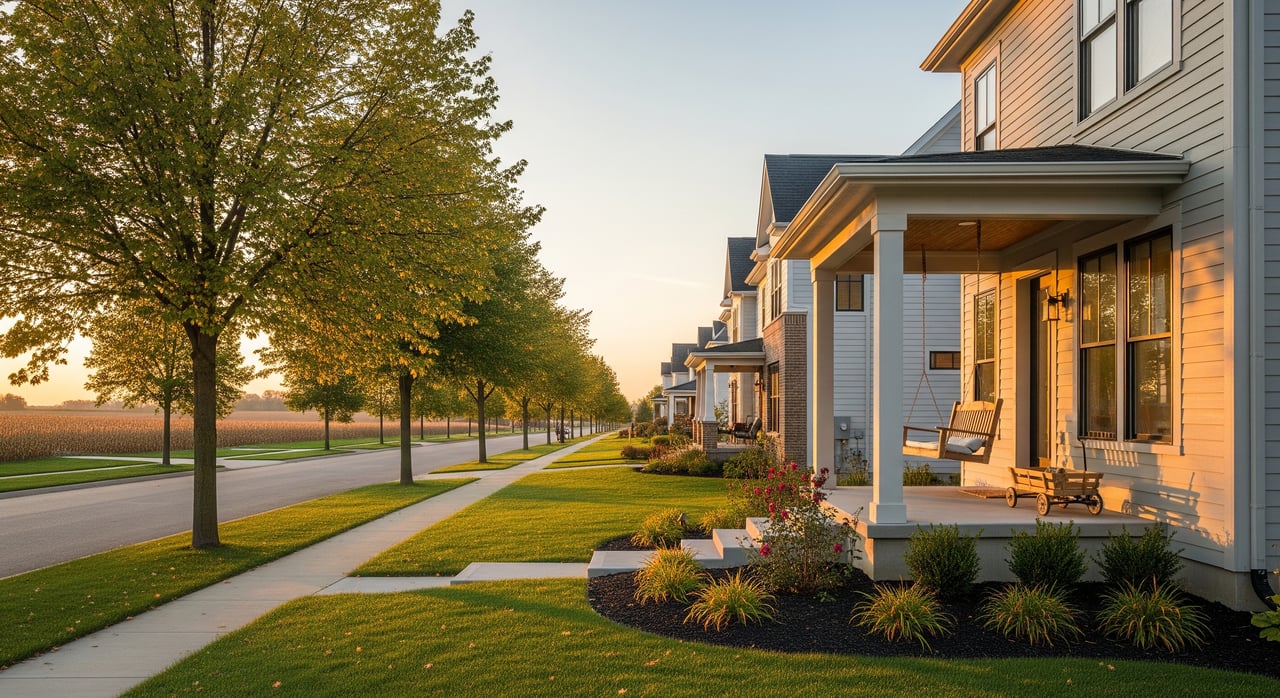
Trying to picture daily life with kids in Norwalk, but not sure which neighborhood fits best? You’re not alone. Choosing the right area shapes school routines, sports schedules, and how easily you can run errands after work. In this guide, you’ll get a clear, local-style overview of Norwalk’s family-friendly neighborhood types, schools and activities, commute realities, and what to consider before you buy. Let’s dive in.
How Norwalk fits family life
Norwalk sits within the Des Moines metro and offers a small-town feel with quick access to city amenities. You’ll find mostly single-family homes, active school and youth sports communities, and steady new development over the last couple of decades. Families are drawn to the practical trade-off of more space and quieter streets while staying close to regional jobs and shopping.
If you want a place where it’s easy to get to weekend sports, walk the dog after dinner, and still make a reasonable commute, Norwalk is worth a close look.
Neighborhood types in Norwalk
Norwalk’s housing breaks into a few clear categories that fit different family priorities. Understanding the trade-offs will help you zero in on the right match.
Historic and central Norwalk
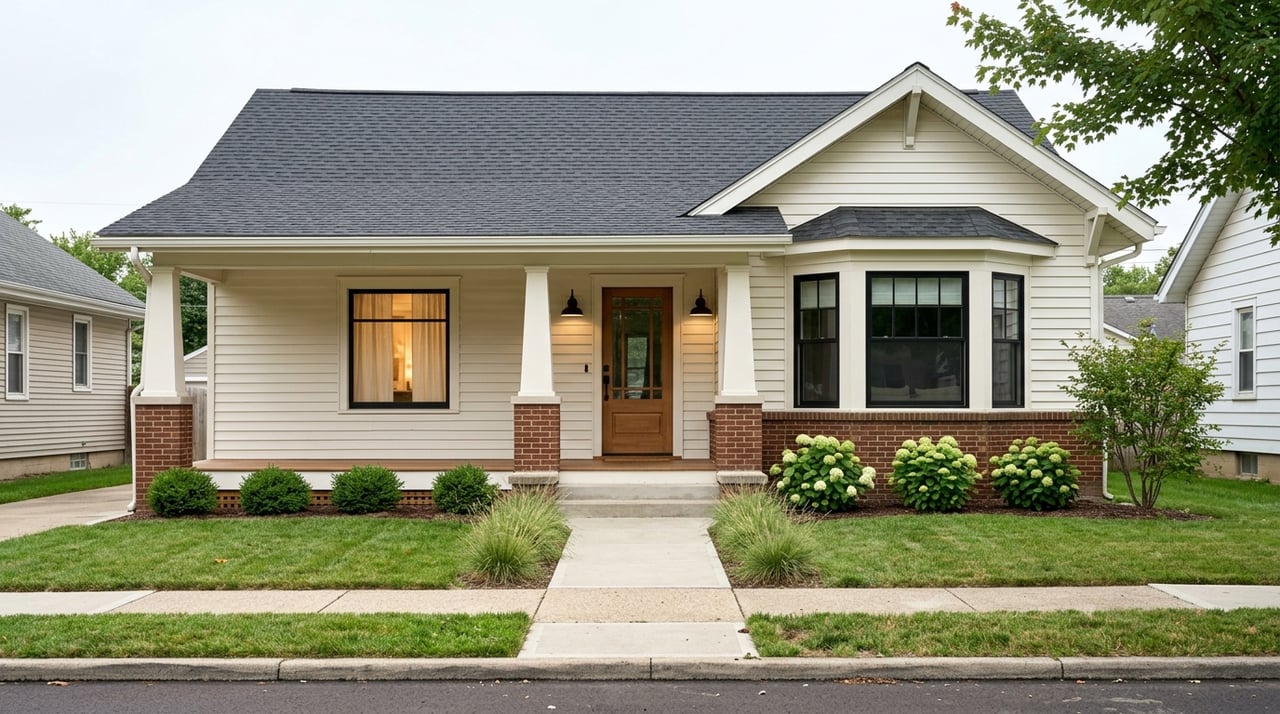
Older, established streets near the heart of town often mean mature trees, a traditional neighborhood layout, and shorter drives to schools, parks, and local services. Sidewalks are common in many spots, which can help with stroller walks or quick bike rides. Homes can vary in age and style, so plan for a range of updates and maintenance levels.
What to weigh:
- Walkability to parks and the library for after-school time
- Proximity to grocery, childcare, and healthcare
- Home condition and potential renovation budgets
Recent subdivisions
Many family buyers land in neighborhoods developed in the late 20th and early 21st centuries. You’ll see more consistent lot sizes, modern floor plans, and planned green spaces. Streets often include cul-de-sacs and sidewalks that simplify after-dinner strolls and scooter time. Some areas may have homeowners associations, so review rules, fees, and common-area upkeep.
What to weigh:
- HOA presence, fees, and guidelines
- Proximity to schools and after-school activity sites
- Yard size and fencing options for pets and playsets
New-build communities
Active subdivisions continue to add homes aimed at growing families. New construction can bring energy-efficient systems, builder warranties, and the chance to choose finishes. You may see in-progress roads and construction traffic during build-out phases, so visit at different times of day.
What to weigh:
- Lot selection, sun exposure, and future phases nearby
- HOA rules, common spaces, and potential assessments
- Property tax projections and any special districts that affect monthly costs
Rural outskirts and acreage options
If you want space for a garden, hobby barn, or privacy, look just beyond town for acreage properties. You’ll get more land and fewer close neighbors, with a commute that’s still connected to the metro. Daily life looks a little different outside city limits, so do your homework.
What to weigh:
- Road maintenance, snow removal, and driveway upkeep
- Well and septic systems, plus service schedules
- Internet and cell coverage options
- Law enforcement coverage differences between city police and county sheriff
Schools and childcare at a glance
Most families within city limits are served by the Norwalk Community School District. The district organizes schooling by grade levels across elementary, intermediate, middle, and high school. Attendance boundaries can shift, so verify the current map for any home you’re considering and note bus coverage and stop locations that affect your morning routine.
If you need before- or after-school care, look into school-based programs and local providers early, since many centers maintain waitlists. The broader Des Moines metro also offers private schools, preschools, and alternative programs within a practical drive for many Norwalk families.
Tips for your school search:
- Confirm your address falls within your intended attendance zone
- Check bell times for each school to plan drop-offs and pick-ups
- Ask about extracurriculars, arts, and youth sports tied to each grade level
Parks, recreation, and youth sports
Norwalk’s appeal grows when you factor in parks, trails, and sports options. Families use neighborhood playgrounds for quick outings and take advantage of city fields for soccer, baseball, softball, and other leagues. Trails and greenways provide weekend bike rides and stroller-friendly walks.
Seasonal highlights to watch:
- Spring: youth soccer sign-ups and early trail time
- Summer: baseball and softball, splash pads or pools, and day camps
- Fall: football, soccer, and family-friendly festivals
- Winter: youth basketball, indoor rec programs, and library events
Registration windows can fill fast. Mark your calendar to apply for camps, pool passes, and league sign-ups as soon as the season opens.
Commute and getting around
Most Norwalk residents commute by car to jobs in Des Moines and nearby suburbs. The city connects to the regional road network within the greater I-35 and I-80 corridor, so you can reach major employers and shopping areas without complicated routes. Drive times vary by time of day and weather, especially when you add school drop-offs to the mix.
Public transit options are limited in this part of the metro, so plan on a personal vehicle for most daily travel. Carpooling, vanpools, and regional park-and-ride habits are common for some commuters. Always test-drive your route at the times you expect to travel to get a realistic feel for traffic and timing.
Family commute tips:
- Time your trial commute during peak hours and again mid-day
- Add a stop-by at your intended school to see drop-off flow
- Check routes to youth sports fields and grocery stores during busy evenings
Day-to-day convenience
Day-to-day life in Norwalk stays simple for most families. Local supermarkets cover weekly staples, with specialty shopping a short drive into the wider metro. You’ll find primary care clinics and urgent care options nearby, while major hospital systems are a straightforward drive within the Des Moines area.
For childcare, combine a list of center-based and home-based providers and ask about current capacity, hours, and part-time options. The public library is a go-to for storytimes, summer reading, and weekend events. You’ll also have a mix of local restaurants plus easy access to broader dining and entertainment around the metro.
Quick planning checklist:
- Map grocery, pharmacy, and healthcare within a 10–15 minute drive
- Compare childcare waitlists and hours across multiple providers
- Browse the library and parks calendars for seasonal events
Housing snapshot for families
Expect to see mostly single-family homes in Norwalk, with some duplexes and occasional townhome or condo options. Inventory is a mix of resale homes and ongoing new construction, which gives you choices on age, layout, and price point. Yard sizes vary by neighborhood era, from cozier lots in older areas to wider lots in newer subdivisions and acreage outside town.
Key considerations when comparing homes:
- School assignment and bus routes for the specific address
- Street design, sidewalks, and lighting for evening walks
- HOA rules that affect fencing, playsets, and exterior finishes
- Property taxes and school levies that shape your monthly payment
- Resale factors like proximity to parks, groceries, and common commuter routes
How to choose the right neighborhood
Use this simple framework to move from “overwhelmed” to “focused.”
- Map your routines. List schools, workplaces, and frequent activities. Note what must be within a short drive.
- Rank your top three priorities. Examples include bigger yard, walkability to parks, or a new home with low maintenance.
- Verify school boundaries. Check the district’s current attendance map for each address and confirm bus coverage.
- Drive at your real hours. Visit during school drop-off, after-work rush, and weekend mornings to feel the flow.
- Walk the nearest park. Time the route from your potential front door to the closest playground or trail entrance.
- Review HOA documents. Look for fence guidelines, play structure rules, and fees.
- Compare taxes and utilities. Review estimated property taxes and typical utility costs so you understand monthly impact.
- Confirm connectivity. Check internet providers and cell coverage, especially on the rural outskirts.
- Ask about future phases. In new-build areas, review plats and plans for neighboring parcels.
- Tour with a local pro. A local agent can surface small-but-mighty details that affect family life day to day.
A day-in-the-life example
Picture a typical weekday. You leave a subdivision near the center of town, make a quick school drop-off, and reach your workplace in the metro on a straightforward route. After work, you swing by a nearby field for soccer practice, then take a short walk to the neighborhood playground before dinner. On weekends, you hit the trail for a family bike ride, stop at the library for a craft event, and grab lunch at a local spot.
The details will vary by address, but the overall rhythm is what makes Norwalk attractive for many families.
Your next steps
If Norwalk is on your list, start with a short neighborhood shortlist. Plan a Saturday loop to visit one historic or central area, one recent subdivision, and one new-build community. Take notes on commute routes, park locations, and the overall feel on each street. Then verify school boundaries for any address that makes your top three.
When you’re ready for a guided tour, connect with a local partner who knows how families actually live in these neighborhoods and can flag the small details that matter. If you want a friendly, data-minded walkthrough and support from search to closing, reach out to Stephanie Dart.
FAQs
Is Norwalk a good fit for families considering a Des Moines suburb?
- Many families choose Norwalk for its small-town feel, single-family housing, active school community, and easy access to metro amenities.
Which Norwalk neighborhoods have newer homes for growing families?
- Look to active new-build communities and recent subdivisions, where you’ll find modern layouts, consistent lot sizes, and planned green spaces.
How long is the commute from Norwalk to downtown Des Moines?
- Commute times vary by route and hour, and most residents drive; test your specific drive during peak and non-peak times to set expectations.
What should I know about school boundaries in Norwalk?
- Most of the city is served by Norwalk Community School District, and boundaries can change, so always verify the current attendance map for an address.
Are there youth sports and after-school activities available?
- Yes, city parks and recreation and local leagues offer seasonal soccer, baseball, softball, football, basketball, and camps, with sign-ups opening each season.
What are the trade-offs between established and new subdivisions?
- Established areas offer mature trees and character, while newer areas often provide modern layouts and efficiency, plus potential HOAs and ongoing build-out.