Trying to choose between a townhome and a single-family home in Altoona? You’re not alone. Many buyers here weigh maintenance, space, costs, and resale before they make a move. In this guide, you’ll get a clear, local-first comparison so you can decide what fits your budget and lifestyle. Let’s dive in.
Market context in Altoona
Altoona sits within the Des Moines metro, so commute routes and proximity to major employers shape demand for both property types. Access to corridors and amenities like retail, parks, and Prairie Meadows racetrack can tip the scales toward lower-maintenance townhomes or larger-lot single-family homes.
New construction patterns and planned subdivisions also matter. When a wave of new single-family or attached homes hits the market, it can shift pricing and inventory. If you’re comparing options, keep an eye on neighborhood-level supply and how close each area is to shopping, dining, and recreation.
Cost comparison: the real monthly number
When you budget, look beyond list price to the full monthly cost. Your decision will feel clearer when you compare apples to apples.
Purchase price and taxes
Property taxes in Polk County are based on assessed value. Townhomes often carry lower assessed values per unit than larger single-family homes, but that varies by neighborhood and year built. Ask for the most recent assessment and tax bill for any property you’re considering.
HOA or association fees
Many Altoona townhomes include a homeowners association that may cover exterior maintenance, snow removal, landscaping, and common areas. Fees vary widely. Review what the fee includes, the association’s reserves, and whether any special assessments are planned.
Insurance and utilities
Single-family homeowners typically insure the full structure and lot. Townhomes may have master association coverage for the exterior, with you carrying interior or “walls-in” coverage. Utility costs usually track with size and systems, so larger single-family homes can have higher monthly bills.
Maintenance and time
Single-family living gives you full control and full responsibility for exterior upkeep. Townhomes can reduce weekend chores with association-handled items. Even so, budget for potential HOA special assessments and long-term exterior replacements.
Ownership and lifestyle fit
Your daily routine should drive the choice as much as the budget.
Space and privacy
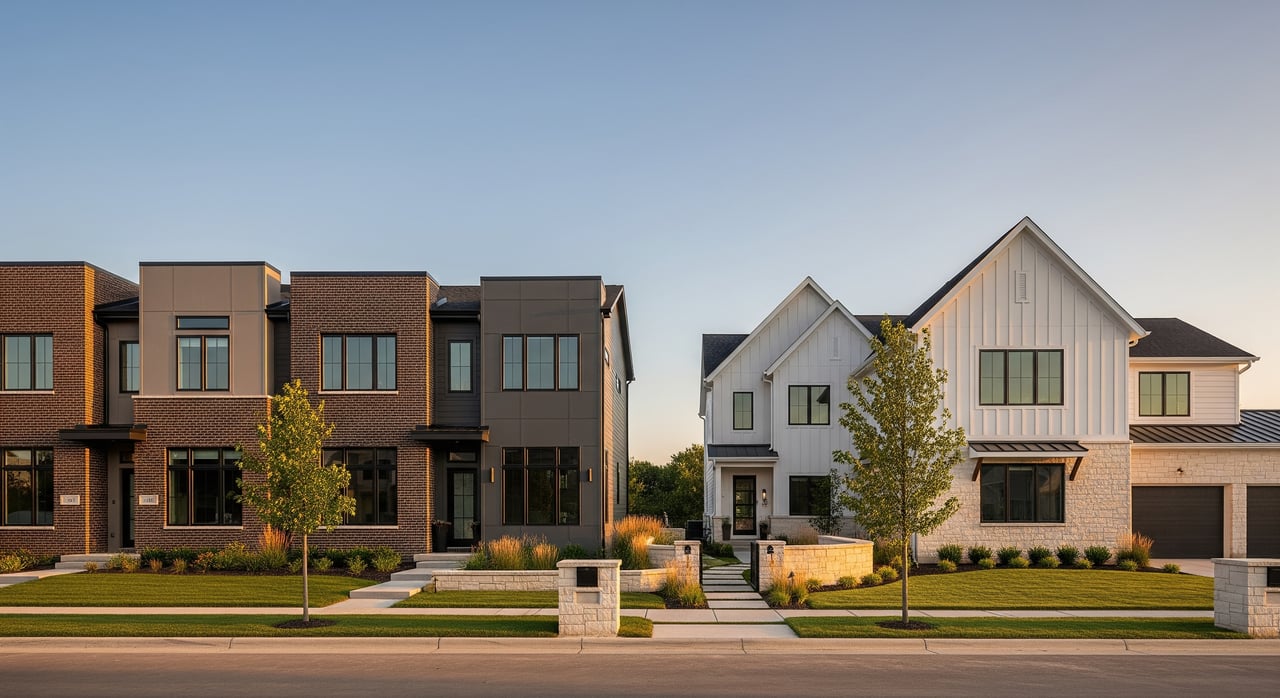
Single-family homes usually offer larger yards, more separation from neighbors, and flexibility for additions or outbuildings if allowed. Townhomes trade some privacy for simplicity and convenience that suits commuters, frequent travelers, and buyers who prefer lock-and-leave living.
Outdoor space and control
If gardening, play sets, or pets are priorities, a single-family yard may be the better fit. In townhome communities, outdoor areas are often smaller and governed by association rules on landscaping and modifications.
Parking and storage
Most single-family homes provide driveways and private garages, which helps if you own equipment or recreational gear. Many townhomes include attached garages, though guest parking and storage can be tighter. Confirm on-site parking and storage policies before you buy.
Noise and neighbor proximity
Shared walls and floors in attached homes mean sound transmission can vary by construction. Single-family homes offer more separation. During showings, pay attention to noise levels and building materials.
Financing and HOA due diligence
Financing can differ for attached homes versus detached homes, so set your lender conversation early.
Mortgage structure
Some townhomes are part of a condominium regime, while others belong to a planned unit development. The difference affects underwriting and insurance. If you plan to use FHA or VA, confirm whether the project needs approval and whether it’s eligible before you fall in love with a unit.
Documents to review
Request and review key association documents: budget, reserve study, meeting minutes, insurance declarations, rules and restrictions, rental policies, and any history of special assessments or litigation. Know which elements the owner versus the association maintains, including roof, siding, driveways, and landscaping.
Resale and buyer pools in Altoona
Different property types attract different buyers, which affects liquidity and long-term value.
- Townhomes often appeal to younger professionals, downsizers, and investors seeking lower-maintenance living or rental potential. In some cycles, affordability helps attached homes sell quickly.
- Single-family homes draw buyers who want yard space, flexible layouts, and long-term customization potential. Land and lot characteristics can support value over time.
Time on market and appreciation vary with supply, location, and condition. Watch 12-month trends by property type and neighborhood to gauge momentum.
Neighborhood and development lens
Where you buy in Altoona matters as much as what you buy.
- Near major corridors and amenity clusters, attached living can be attractive for convenience and low upkeep.
- In areas with larger lots, parks, and established subdivisions, single-family homes often shine for outdoor lifestyles and room to grow.
- Zoning, flood maps, and local permits affect what you can add or change later. If future projects are important, check these early.
Showing and inspection checklists
Go into showings with a plan tailored to the property type.
Townhome checklist
- Review HOA budget, reserves, insurance, and recent meeting minutes.
- Confirm what exterior items the HOA covers and what you insure personally.
- Ask about upcoming capital projects and special assessments.
- Check rental caps, pet rules, parking rules, and guest parking.
- Evaluate noise transfer, shared wall construction, and common area condition.
Single-family checklist
- Inspect roof, siding, windows, and driveways for age and condition.
- Assess lot drainage, grading, and any water management features.
- Confirm fence and outbuilding rules, setbacks, and permits for past work.
- Evaluate HVAC and utility systems sized for the home’s square footage.
Which is right for you?
Every buyer’s priorities are different. Here’s a simple way to think about it.
- First-time buyer prioritizing budget and convenience: a townhome’s bundled services and simpler maintenance can make the first few years easier. Review fees and reserves closely.
- Young family needing space and flexibility: a single-family home offers yard, storage, and expansion potential as needs change. Factor in maintenance time and cost.
- Downsizer or frequent traveler: a townhome’s lock-and-leave lifestyle can minimize upkeep while keeping you close to amenities. Confirm HOA stability and rules that matter to you.
Next steps in Altoona
- Compare monthly totals, not just list price, including taxes, insurance, HOA, utilities, and maintenance.
- Ask your lender about loan options for both attached and detached properties and whether any project approvals are needed.
- Request association documents early and review them within your offer timeline.
- Check flood risk, zoning, and permitting if you plan future improvements.
- Tour a mix of neighborhoods to understand commute, amenities, and community feel.
When you are ready to compare real homes side by side, reach out to Stephanie Dart for a local tour and a clear, data-backed plan that fits your goals.
FAQs
What costs differ most between Altoona townhomes and single-family homes?
- Townhomes often add HOA fees that may cover exterior upkeep, while single-family homes shift more maintenance to you and typically have different insurance needs.
How do HOA rules affect townhome living in Altoona?
- Association rules can limit rentals, pets, exterior changes, and parking, so review the HOA budget, reserves, and documents before you commit.
Are there financing differences for Altoona townhomes?
- Yes, some attached homes require specific lender reviews or project approvals, especially for FHA or VA loans, so verify eligibility early.
What should families consider when choosing single-family in Altoona?
- Look at yard size, storage, layout flexibility, and proximity to everyday amenities, then budget for exterior maintenance and utilities.
Are townhomes good for downsizers in Altoona?
- Many downsizers like the lower-maintenance lifestyle and convenient locations, but it’s important to confirm HOA health, fees, and rules that fit your routine.
How do resale prospects compare in Altoona?
- Buyer pools differ by property type and neighborhood, so track 12-month trends for days on market and pricing to gauge which option fits your exit timeline.