Spring rains can make your sump pump kick on and off all day in Norwalk. The big question is where that water should go so you protect your home and stay compliant. You want a simple answer you can trust, plus clear steps to fix anything that is not up to code. This guide covers Norwalk’s rules, smart installation tips, and who to call before you make changes. Let’s dive in.
Norwalk rules at a glance
Norwalk requires sump and footing drains for new homes with below‑grade floors and sets clear limits on where the water can go. The city code says discharge "shall be discharged to a City‑approved storm water drainage course" and sump pumps "shall be operated … so as to cause the discharge to flow outside the City’s Sanitary Sewer System." You also must avoid draining onto sidewalks. See the full provision in Norwalk Code Section 96.05.
Norwalk’s amendment to the International Residential Code also requires footing drains to discharge to a sump that is "plumbed to a discharge system separated for the sanitary sewer" and built per City standard specifications. Exceptions are at the Code Official’s discretion. Review Norwalk Code Section 160.41 (IRC amendment R405.3).
What this means for your home
- Do not tie sump or footing drains into the sanitary sewer.
- Use a City‑approved drainage route, especially if your line crosses public right‑of‑way or connects to public storm infrastructure.
- Plan details are required for new construction. Retrofits that involve public storm connections or right‑of‑way need City coordination.
How to drain right in Norwalk
Legal must‑dos
- Do not discharge into the sanitary sewer. This is prohibited by the city code. See Section 96.05.
- Follow City‑approved routes for any discharge across right‑of‑way or into public storm facilities. Coordinate with the City first. See Section 160.41.
- Keep water off sidewalks and avoid creating nuisances for neighbors.
Installation best practices
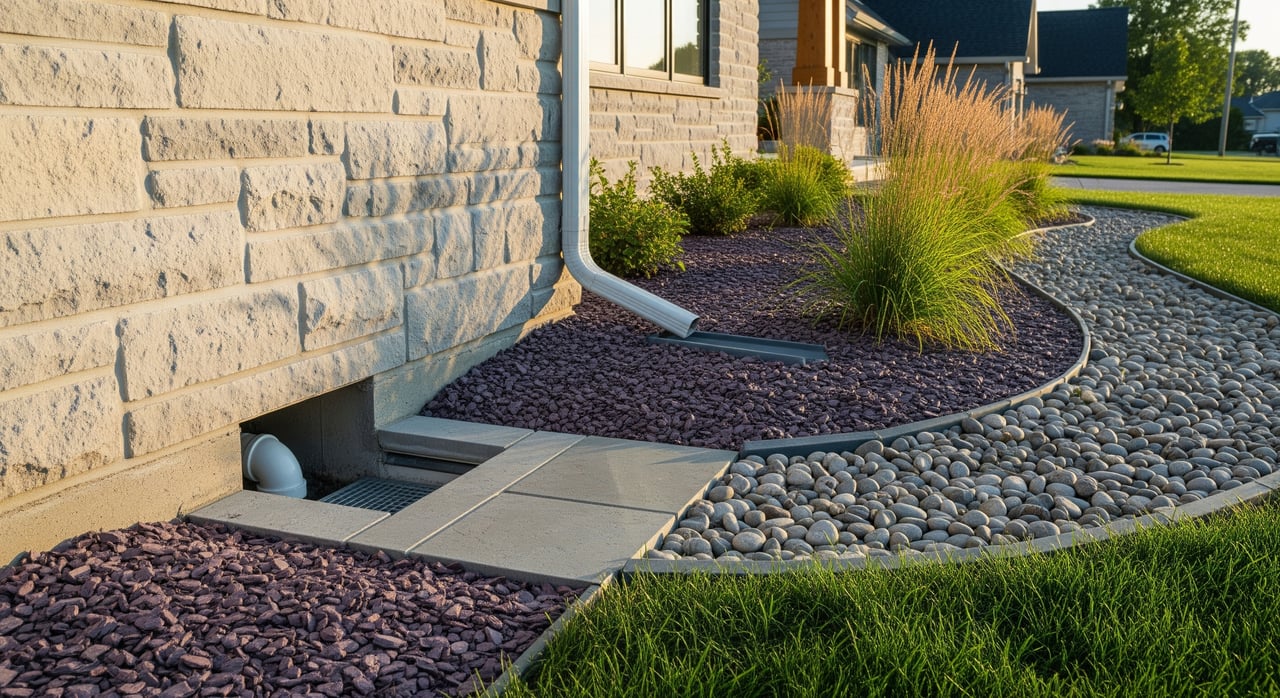
- Distance from the foundation: Aim for at least 10 feet away from the house, routed downhill so water does not cycle back toward the footing drains. Guidance from Building America suggests a 10 to 20 foot run as a safe range. See PNNL’s Building America guide.
- Slope the discharge line: Provide a continuous fall so the line drains completely when the pump stops. Building America guidance recommends a steady slope for the first 10 feet to prevent standing water and freezing. See PNNL guidance.
- Use a check valve and an accessible full‑open valve: A check valve keeps water from flowing back into the pit. An isolation valve makes service easier. These are standard plumbing practices. See code discussion in Virginia Register P3007 excerpt.
- Choose a smart outlet: A pop‑up emitter, daylight to a grassed area, or a dry well helps spread and infiltrate water without pooling. Avoid pointing the outlet at sidewalks, streets, or toward neighboring yards. See Section 96.05.
- Plan for freeze protection: Use a self‑draining profile and consider burying exterior piping near frost depth or adding a freeze‑guard device to prevent ice blockages.
Reliability upgrades worth considering
- Battery backup or a generator connection so the pump runs during power outages.
- Audible or smart alarms to alert you if the pump fails.
- Rigid piping instead of flexible hose to reduce kinks, damage, and freezing risk.
If your sump currently drains to sanitary
Older homes sometimes connect to the sanitary sewer, which is not allowed in Norwalk. Arrange for a licensed plumber to reroute the discharge to a legal outlet such as yard infiltration, a dry well, or a City‑approved storm connection. If your plan crosses public right‑of‑way or ties to public storm, seek City approval first. See Section 96.05 and Section 160.41.
When to contact the City
- New builds: Include sump and footing drain details with your building plans. See Section 96.05.
- Public storm or right‑of‑way: Get written routing approval before any connection or discharge in the right‑of‑way. See Section 160.41.
Helpful contacts in Norwalk:
- Norwalk Public Works for storm and right‑of‑way questions: [email protected], (515) 981‑9527. See the City bulletin with contact info here.
- Community Development / Building & Zoning for permits: (515) 981‑9530. A general contact reference is listed here. Always verify current details on the official City website before you submit plans.
Homeowner checklist
- Confirm where your sump discharges today and ensure it is not tied to sanitary.
- Look for a check valve and an accessible shut‑off valve on the discharge line.
- Measure the outlet distance and route water at least 10 feet away, downhill.
- Add a pop‑up emitter or infiltration area where water will not pond or erode.
- Plan freeze protection for exterior piping.
- Call Public Works before you connect to public storm or use the right‑of‑way.
- Hire a licensed plumber and pull permits when required.
Buying or selling in Norwalk
Sump pump drainage shows up on inspections and can affect value. If you are selling, make sure your discharge is legal and well‑designed before listing. If you are buying, check the discharge route during showings and inspections so you are not surprised later.
If you want a second set of eyes or need vetted local pros who can help, reach out. Our team knows how to prep homes for smooth inspections and confident closings. Connect with Stephanie Dart to get started.
FAQs
Is it legal to send sump water to a municipal or house sanitary drain in Norwalk?
- No. Norwalk requires sump discharge to stay out of the sanitary sewer and to follow a City‑approved storm drainage course. See Norwalk Code 96.05.
Can I run my sump discharge to the street or a storm inlet in Norwalk?
- Not without City direction. Discharge must follow a City‑approved storm water drainage course, and draining onto sidewalks is prohibited. Contact Public Works first. See Norwalk Code 96.05.
How far from my foundation should the sump outlet be?
- Many building guides recommend at least 10 feet, routed downhill with a steady slope so the line drains after the pump shuts off. See PNNL’s Building America guidance.
Do I need a permit or inspection for sump work in Norwalk?
- New construction must include sump and footing drain details in the building plans. For retrofits that connect to public storm or cross right‑of‑way, get City approval. See Norwalk Code 96.05.
What upgrades make a sump system more reliable?
- Add a check valve and an accessible shut‑off valve, use rigid discharge piping, provide a pop‑up emitter or infiltration outlet, protect exterior piping from freezing, and consider a battery backup. See the plumbing discussion in Virginia Register P3007.