Thinking about listing your Norwalk home but not sure where to focus? You’re not alone. In central Iowa, buyers pay close attention to a few make‑or‑break items that affect safety, longevity, and first impressions. In this guide, you’ll learn the specific pre‑listing fixes Norwalk buyers actually notice, how to prioritize them, and how to present proof so your sale feels smooth and confident. Let’s dive in.
What Norwalk buyers notice first
Norwalk and the surrounding Warren County area have lots of single‑family homes with basements. With our winters, spring freeze/thaw cycles, and summer storms, buyers look closely at water management and general exterior care. That means your roof, gutters, grading, sump system, and any radon documentation get attention early.
Buyers often compare your home to others nearby and judge how well it’s been maintained. Visible issues like curling shingles, gutters packed with leaves, peeling paint, or a questionable sump discharge can raise concerns and slow negotiations. When you address these items before you list, you protect your price and reduce buyer friction.
Roof condition: visible signs and quick wins
A roof ranks high on buyer checklists because it’s expensive to fix and can affect interior spaces.
Red flags that spook buyers
- Missing, curling, or worn shingles, plus heavy granules in the gutters.
- Staining or sagging areas on the roof plane.
- Damaged or rusted flashing around chimneys, vents, and valleys.
- Ceiling stains around walls, or attic signs of moisture like mildew.
- Gutters that are clogged, loose, or separating from the fascia.
Smart pre‑listing steps
- Repair or replace missing shingles and damaged flashing where practical.
- Clean and re‑secure gutters and downspouts; clear drip edges and vents.
- Have a roofer or inspector check the attic for active leaks and ventilation.
- If the roof is at the end of its life, get two replacement estimates and decide whether to complete the job before listing or price accordingly.
What to document
- A dated roofer inspection report and receipts for any work.
- Before/after photos of repairs and clean gutters.
Buyers appreciate seeing proof that the roof is performing and that you stay on top of maintenance.
Radon readiness in Warren County
Iowa has elevated indoor radon potential compared to national averages. Buyers here often ask about testing and mitigation. The EPA’s action level is 4 pCi/L. Above that level, mitigation is recommended. You can learn more from the EPA’s radon guidance.
Know the basics
- Short‑term tests are common before listing. They usually require closed‑house conditions for at least 12 hours before and during the test period.
- Certified testers and mitigators typically carry NRPP or similar credentials.
- Many buyers plan to test again during inspection, so having your results and plan ready builds trust.
Your pre‑listing radon plan
- Complete a short‑term test and disclose results.
- If levels exceed 4 pCi/L, get a written mitigation estimate from a certified mitigator. Completing mitigation before listing or offering a credit can lower objections.
- Keep documentation in a simple folder for buyers and agents.
Radon documentation to share
- Test report with date and conditions.
- Mitigation estimate or receipts for completed work.
- Plan for a post‑mitigation test if a system is installed.
Sump pump and discharge done right
With our heavy spring rains and snowmelt, buyers focus on how your home handles water.
Common issues buyers call out
- No sump pump where one would be expected in a home with a below‑grade space.
- A pump that hasn’t been tested or sounds like it’s failing.
- Discharge that terminates too close to the foundation or onto walkways.
- Discharge connected to sanitary sewer, which may violate local rules.
- No backup power in storm‑prone areas.
Practical fixes before photos
- Test the pump and service or replace it if it’s old or noisy.
- Extend discharge piping several feet away from the foundation. Use a splash block or allow it to daylight in an approved location.
- Add or test a check valve to prevent backflow.
- Consider a basic battery backup.
- Clean the pit and label key components.
Know local rules
Municipalities and HOAs may regulate how and where you can discharge. Confirm Norwalk rules or neighborhood covenants before changing discharge routes. If you make updates, save a receipt and take a short video of the pump operating. Buyers like seeing proof.
Exterior maintenance buyers actually notice
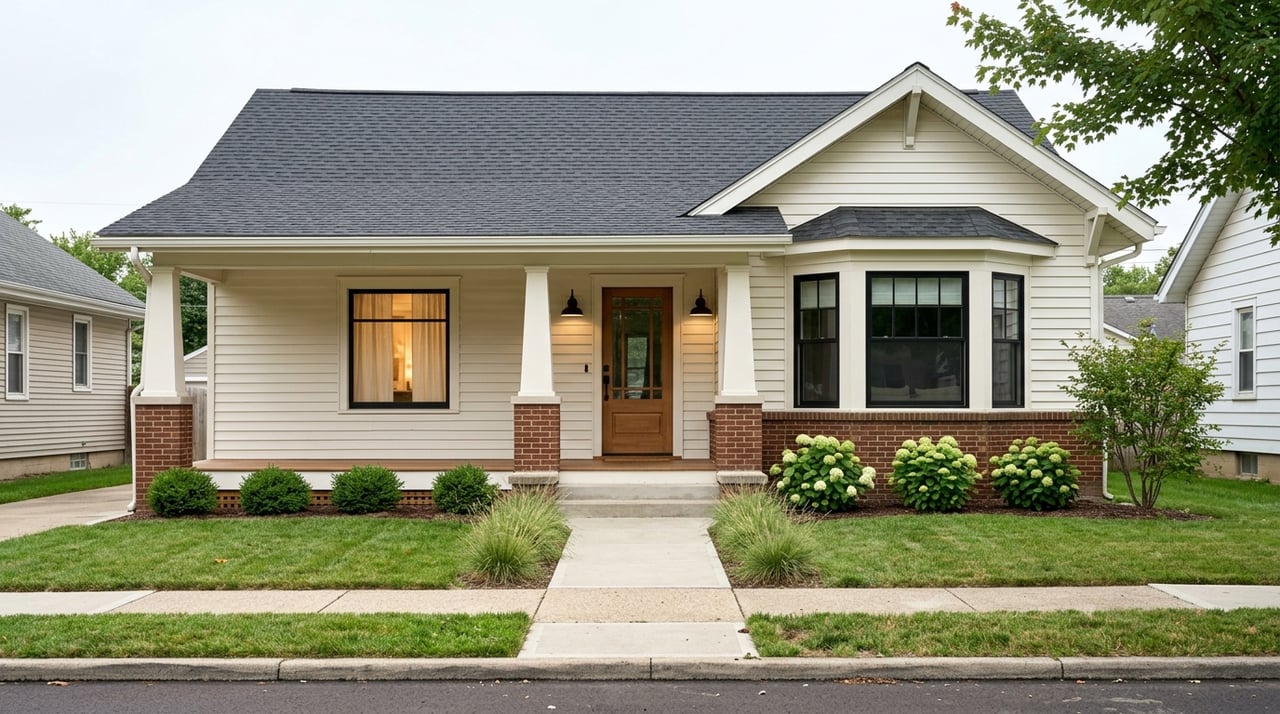
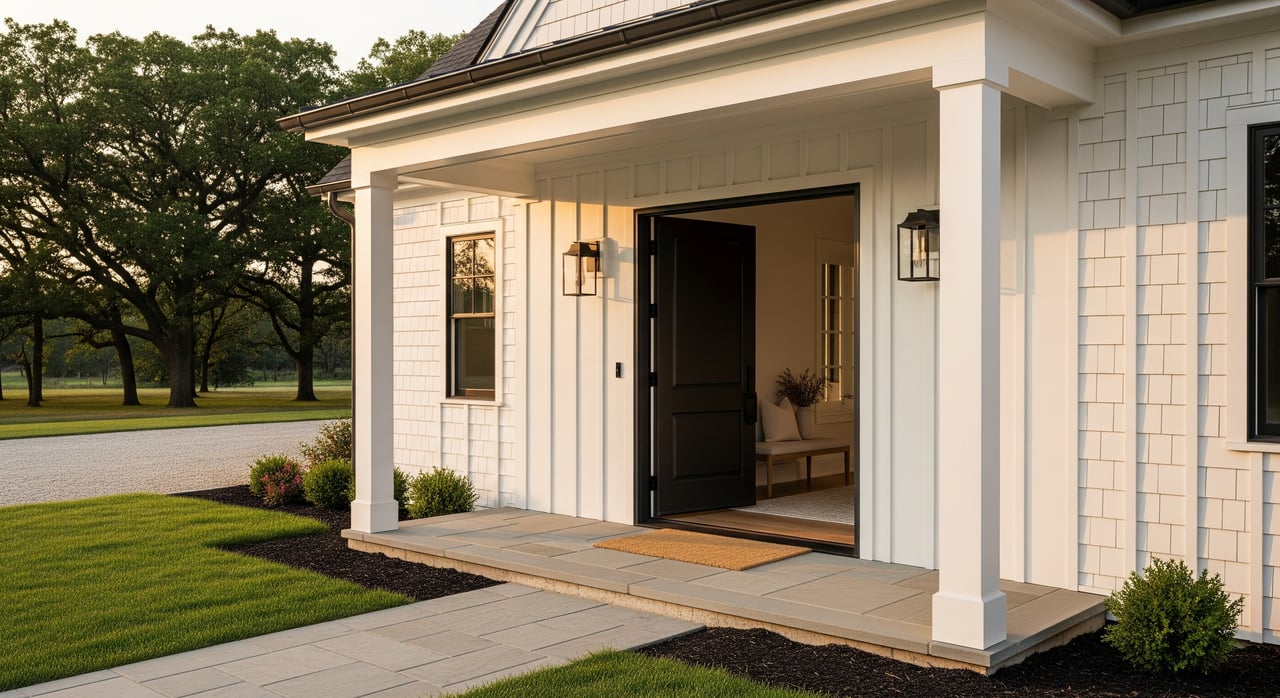
First impressions influence perceived value, especially in smaller suburban markets. Clean and safe win every time.
High‑impact curb appeal fixes
- Power‑wash siding, walkways, and driveways. Clean windows and remove spider webs.
- Trim shrubs away from the house and tidy landscaping. Remove dead branches and edge the lawn.
- Touch up paint on trim, shutters, and the front door. Repair loose siding or rotted trim.
- Fix railings and porch steps so they look solid and safe.
- Clean or replace gutters and check that downspouts appear functional.
Seasonal checkpoints for Iowa
- Spring and summer: keep grass green and trimmed for photos; clear debris after storms.
- Fall: rake leaves promptly and keep gutters clear so they look maintained.
- Winter: clear walkways and driveways, and make sure exterior lighting is bright and working.
Other quick wins that calm inspectors
- HVAC: change filters and gather service records.
- Windows and doors: fix sticky latches and replace broken screens.
- Plumbing and electrical: fix visible leaks, low water pressure, and label the electrical panel clearly.
- Interior touch‑ups: patch and paint obvious wall damage for a neat, well‑cared‑for feel.
Your simple pre‑listing timeline
Use this checklist to plan backward from your photo day.
6–8 weeks before listing
- Book a roofer walk‑through or a pre‑listing inspection to catch red flags early.
- Schedule a professional radon test or plan for a certified tester. If results are over 4 pCi/L, request mitigation estimates.
- Hire a plumber to test the sump pump and review discharge routes.
- Order gutter cleaning and roof debris removal.
- Tackle major landscaping trims and remove tripping hazards.
2–4 weeks before photos
- Complete prioritized repairs: roof patching or flashing fixes, sump discharge corrections, and any radon mitigation.
- Power‑wash exterior surfaces and clean windows.
- Touch up exterior paint where cameras will focus, especially the front entry.
- Test the HVAC and change filters; compile service records.
- Collect documentation: roofer report, radon test, sump service record, receipts, warranties.
- Create a simple folder for buyers with all documents.
1 week before photos
- Final cleanup: mow, edge, and remove personal items outside. Put away tools and extra vehicles.
- Add small staging touches like fresh mulch or a clean doormat.
- Record a short video of the sump pump operating and keep your dated radon test report handy.
How to choose the right local vendors
The right partners make prep faster and less stressful. Here are helpful categories and a quick vetting checklist.
Vendor categories
- Roofing contractors.
- Certified radon testers and mitigators.
- Licensed plumbers for sump service and discharge.
- Gutter and exterior cleaning companies.
- Exterior painters or trim carpenters.
- Landscapers or small grading crews.
- Home inspectors for a pre‑listing review.
- General contractors or handypeople for small fixes.
Vetting checklist
- Verify license and insurance.
- Ask for a written scope, materials, and timeline.
- Request references and photos of recent local work.
- Confirm certifications where relevant, like radon credentials.
- Get warranties or workmanship guarantees in writing.
- Ensure clear payment terms and avoid large upfront payments for small jobs.
- For radon, make sure they follow national standards and provide a post‑mitigation testing plan.
Typical scopes to request
- Roofer: inspection report with photos, repair vs. replacement recommendation, estimates, and warranty details.
- Radon mitigator: design plan, permit info if needed, and a post‑installation test plan.
- Plumber: pump testing, float switch and check valve inspection, discharge routing, battery backup options, pit cleaning, and a short demo video.
- Exterior crew: pressure washing, minor carpentry for trim/soffits, paint touch‑ups, and landscaping cleanup.
What to put in your buyer info folder
- Roofer inspection, repair receipts, and photos.
- Radon test report, mitigation estimate or receipts, and any post‑mitigation test.
- Sump service record, discharge photos, and short pump‑operation video.
- HVAC service records and filter change dates.
- Warranties and manuals for major systems.
When you offer clear documentation, you reduce uncertainty and help buyers feel confident about making a strong offer.
Ready to list with Start With Dart
You do not need to take on every project to make a great first impression. If you focus on the roof, radon readiness, sump discharge, and simple exterior care, you’ll meet Norwalk buyer expectations and protect your bottom line. If you want a coordinated plan with vendor introductions, staging, and polished marketing, our team can guide every step so your home shines on day one.
Ready to get started? List With Us through Start With Dart and we’ll build your pre‑listing plan together.
FAQs
What pre‑listing fixes matter most in Norwalk, IA?
- Roof condition, radon readiness, a functional sump pump with proper discharge, and basic exterior maintenance carry the most weight with Norwalk buyers.
What is the EPA radon action level and why is it important?
- The EPA recommends mitigation at 4 pCi/L or higher. Providing test results and, if needed, a mitigation plan helps avoid delays during inspection.
How far should my sump pump discharge from the foundation?
- Extend the discharge several feet from the foundation and use a splash block or approved outlet. Always confirm city or HOA rules before changing discharge routes.
Should I replace my roof before listing if it’s older?
- Get two roofer estimates and an inspection report. If wear is obvious or leaks are present, replacement before listing can boost buyer confidence and reduce negotiation pressure.
What exterior updates give the best return before photos?
- Power‑washing, paint touch‑ups at the front entry and trim, clean windows, and tidy landscaping are low cost and create strong first impressions.
What documents should I share with buyers during showings?
- Include a roofer report and receipts, radon test results and mitigation info, sump service records plus a short pump video, HVAC service notes, and any transferable warranties.