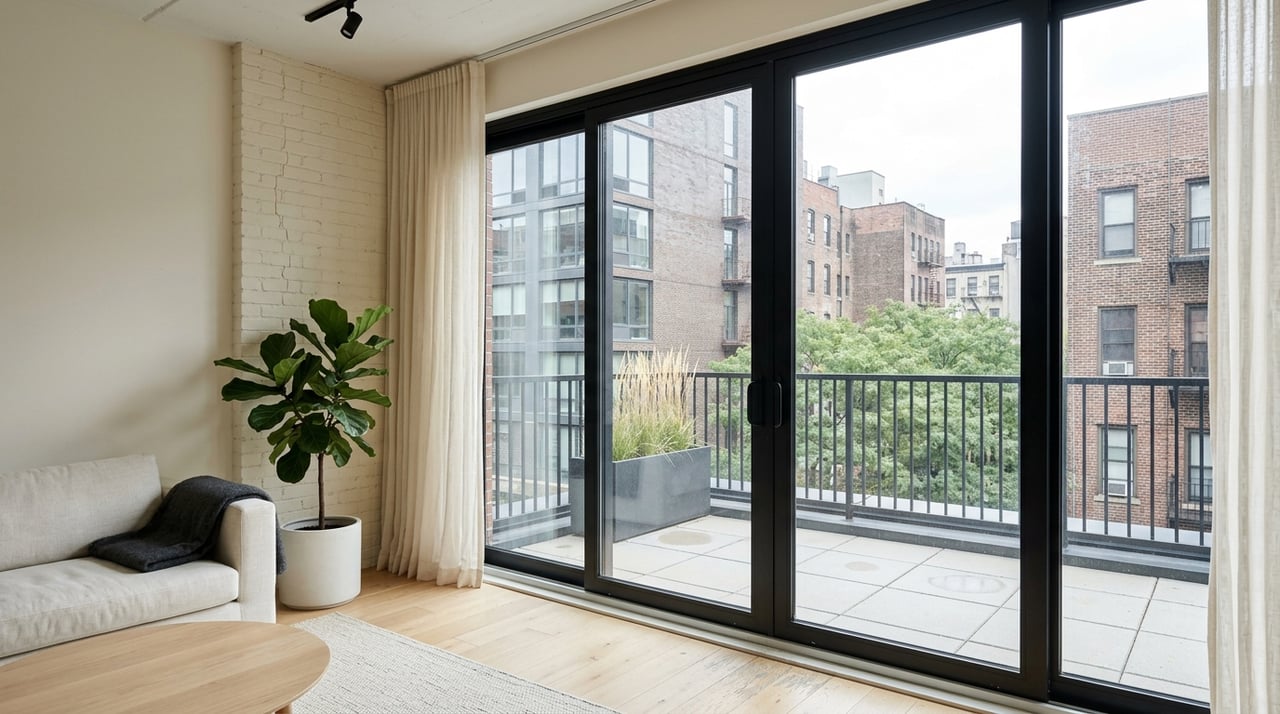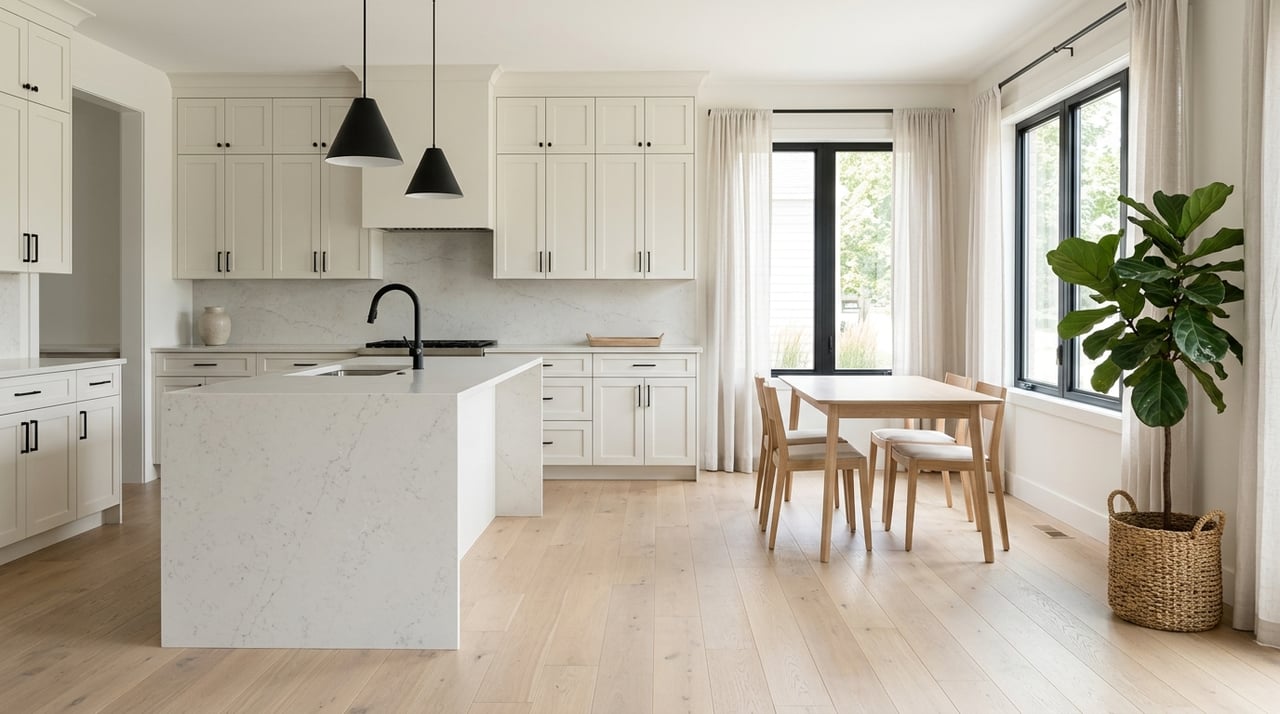
If you’re eyeing a brand-new home in Altoona, you’re not alone. New construction continues to be a meaningful part of the local housing market, and for many buyers, the appeal is easy to see: modern layouts, fresh finishes, and the chance to choose a home that fits your lifestyle. If you’re trying to sort through neighborhoods, builders, HOA details, and tax-abatement questions, this guide will help you understand what to expect before you make your move. Let’s dive in.
Altoona’s new construction market
Altoona remains an active place for new homebuyers. The city’s 2024 Community Development report says Altoona issued 186 new residential units and recorded 229 lots across 84.55 acres of new single-family plats. The city also reauthorized residential tax abatement through December 31, 2032, for qualifying single-family owner-occupied homes.
That activity is spread across several neighborhood pockets instead of one large master-planned community. Current builder activity in Altoona includes communities such as Brookhaven Estates, Edgewood Trail, Meadow Vista West, Prairie Landing, Tuscany, Brook Ridge, and Spring Creek Ridge. For you as a buyer, that means you may have options across different builders, price points, and home styles.
What Altoona neighborhoods tend to offer
Many of Altoona’s newer neighborhoods are shaped by city development standards that require connected infrastructure and site planning. The city’s standards include requirements related to water, sewer, parkland dedication, trails, streets, and drainage. That helps explain why newer areas often highlight parks, trail access, and recreational convenience.
In practical terms, you’ll likely find a suburban neighborhood setup with newer streets, utility connections, and a more connected feel from one development to the next. Community features can vary by subdivision and builder, so it helps to compare more than the model home photos. Looking at the overall layout and neighborhood setup can tell you a lot about daily life there.
Quick move-in vs. build from scratch
One of the first things to decide is whether you want a home that is already under construction or nearly complete, or if you want to choose a floor plan and homesite before the build begins. Altoona’s current new-construction options include both. Some builders are marketing quick move-in homes, while others show buildable plans within active communities.
A quick move-in home can shorten your timeline and make pricing more predictable. A to-be-built home may give you more say in layout, lot placement, and finishes, depending on the builder’s process. If your move date is firm, this distinction matters early.
Common floor plans in Altoona
Across Altoona’s newer subdivisions, the most common homes are ranch and two-story single-family properties. Many feature open-concept layouts, 3 to 5 bedrooms, and attached 2 to 3 car garages. That mix works well for buyers who want flexible living space without moving into a much older home.
Current examples show a broad range of sizes. Brook Ridge has ranch and two-story homes from 1,272 to 2,190 square feet with finished-basement options, while Spring Creek Ridge markets homes from 3 to 5 bedrooms and up to 2,964 square feet. Tuscany includes ranch-style homes with 2 to 4 bedrooms starting at 1,277 square feet, and Prairie Landing has quick move-in homes around 2,225 square feet.
What lot sizes usually look like
If you are hoping for acreage, Altoona’s newer neighborhoods may feel more compact than rural properties or edge-of-metro builds. Recent lot examples in local new-construction communities suggest many lots fall around 0.16 to 0.24 acres. Sample listings show lots ranging from about 6,882 square feet to 10,280 square feet.
That usually translates to a more typical suburban lot size. You may still find meaningful differences between homesites, especially if you are comparing interior lots to pond, daylight, or walkout locations. In many Altoona neighborhoods, lot placement can have a big impact on both price and long-term enjoyment.
Included finishes and upgrade choices
Many Altoona builders offer a similar modern finish style, though the details are not identical from one community to another. Commonly advertised features include quartz countertops, stainless steel appliances, durable flooring, electric fireplaces, and smart-home technology. Some listings also mention unfinished basements stubbed for future finish and 3-car garage options.
That means your biggest decisions may not always be the basic kitchen package. In many cases, buyers are choosing between a larger garage, a finished basement, a premium homesite, or a different product type such as a townhome versus a single-family home. Those choices can shape both your monthly budget and how well the home fits your long-term plans.
HOA fees and neighborhood rules
One of the most important things to know is that HOA expectations vary widely across Altoona communities. Brook Ridge listings show an annual HOA fee of $175, while Spring Creek Ridge is marketed with no HOA fees. Tuscany Twinhomes shows a $225 monthly HOA that includes services such as insurance, internet, grounds maintenance, structure maintenance, and snow removal.
Those examples show why you should never assume one neighborhood works like the next. A low annual fee, no fee, or a more service-heavy monthly fee can each make sense depending on the property type and what is included. The key is to compare the full picture, not just the number.
Why covenants matter
In Altoona, subdivision documents matter beyond the HOA fee itself. The city’s final plat rules require protective covenants or restrictions to be submitted for approval, along with details such as setback lines, utility easements, and final plat documentation before recording. The code also says cluster-style mailboxes must be installed or bonded for before any occupancy permit is issued within the plat.
For you, this means it is worth reviewing the subdivision’s CC&Rs, any architectural standards, and the exact fee schedule before closing. These documents can affect everything from exterior changes to shared-maintenance expectations. Two neighborhoods that look similar on the surface may operate very differently once you own the home.
Utilities and infrastructure questions to ask
New construction often feels simple because everything is new, but utilities still deserve your attention. Altoona’s development standards say developers must pay to bring water and sewer to and through the site. The Altoona Water Authority also notes that a property must border the water main before a new service line can be installed unless the owner gets an easement or applies to extend the main.
Most buyers will not need to solve utility issues themselves in a standard subdivision, but these details are still useful when you are comparing lots or asking about build timelines. They can affect how quickly a site is truly ready for construction. If you are looking at an early-phase development, this is especially important.
How the build and inspection process works
It helps to remember that a new home still moves through a city process before you get the keys. Altoona’s building department oversees construction within the city, and the city’s permit portal notes that residential inspection appointments are scheduled through the front desk. In other words, permits and inspections are a normal part of the path to completion.
That matters because your timeline may depend on more than the builder’s construction schedule alone. Final completion, inspections, and occupancy steps can all affect your closing date. When you’re buying new, it helps to plan with some flexibility.
Altoona tax abatement basics
Tax abatement is one of the most important financial topics to ask about when you are buying new construction in Altoona. The city’s residential tax abatement guide says qualifying new residential construction in an approved subdivision can receive a 100% exemption on the first $75,000 of added value for five years. The application deadline is February 1 of the exemption year.
The city also notes that the program has been reauthorized through December 31, 2032, for qualifying single-family owner-occupied homes. Because eligibility depends on the property and subdivision, it is smart to confirm whether the home qualifies and what paperwork is needed. This is one area where small missed details can matter.
Builder warranties are not all the same
A common mistake buyers make is assuming every builder offers the same warranty coverage. That is not the case. Warranty terms can vary, so you should ask for the full written warranty packet and review what is covered, for how long, and how claims are handled.
For example, D.R. Horton provides a builder-specific 10-4-1 limited warranty with 10-year structural, 4-year systems, and 1-year fit-and-finish coverage. That is one builder example, not an Altoona-wide standard. If you are comparing builders, warranty details deserve the same attention as price and finishes.
Smart questions to ask before you buy
Before you commit to a new construction neighborhood in Altoona, it helps to go in with a clear checklist. A polished model home can make the decision feel easy, but the real value comes from understanding the details behind the home and the neighborhood.
Ask questions like these as you compare options:
- Is this home quick move-in, under construction, or to-be-built?
- What floor plans and elevations are available in this community?
- What is included in the base price?
- Which upgrades are most common, and what do they cost?
- What are the lot dimensions and premium lot options?
- Is there an HOA, and what does the fee cover?
- Are there subdivision covenants or architectural standards to review?
- Does this property qualify for Altoona’s tax abatement program?
- What is the expected build timeline and closing window?
- What written warranty coverage does the builder provide?
Why local guidance helps with new construction
Buying new construction can feel more straightforward than buying resale, but there are still many moving parts. Neighborhood rules, builder contracts, lot differences, finish packages, and city-specific programs can all shape your experience. Having a local guide can make it easier to compare options clearly and avoid surprises.
If you’re exploring new construction neighborhoods in Altoona and want a practical, local-first approach, Stephanie Dart can help you sort through communities, builders, timelines, and the details that matter most to your move.
FAQs
What types of new construction homes are common in Altoona?
- In Altoona, new construction commonly includes ranch and two-story single-family homes with open-concept layouts, 3 to 5 bedrooms, and attached 2 to 3 car garages.
What do lot sizes look like in Altoona new construction neighborhoods?
- Recent examples in Altoona suggest many new-construction lots are suburban in size, often around 0.16 to 0.24 acres.
Do Altoona new construction neighborhoods always have HOA fees?
- No. HOA expectations vary by community, with some neighborhoods showing modest annual fees, some showing no HOA fees, and some attached-home communities showing monthly dues with shared services included.
How does Altoona tax abatement work for new homes?
- The city says qualifying new residential construction in an approved subdivision may receive a 100% exemption on the first $75,000 of added value for five years, with an application deadline of February 1 of the exemption year.
What should buyers review before closing on a new construction home in Altoona?
- Before closing on an Altoona new construction home, you should review the builder’s written warranty, the subdivision’s CC&Rs, any architectural standards, the HOA fee schedule, and whether the property qualifies for tax abatement.